
Signs Your Glutathione Levels Are Low (And What to Do About It)
Share
Glutathione is produced in every cell of your body, but levels decline naturally with age. Daily exposure to pollution, UV radiation, stress, and processed foods accelerates that decline. For many Indian professionals, low glutathione is a contributing factor behind skin and health concerns they've been trying to address with topical products alone.
Recognising the signs of low glutathione can help you identify whether internal antioxidant support is worth considering.
Persistent Dullness and Uneven Skin Tone
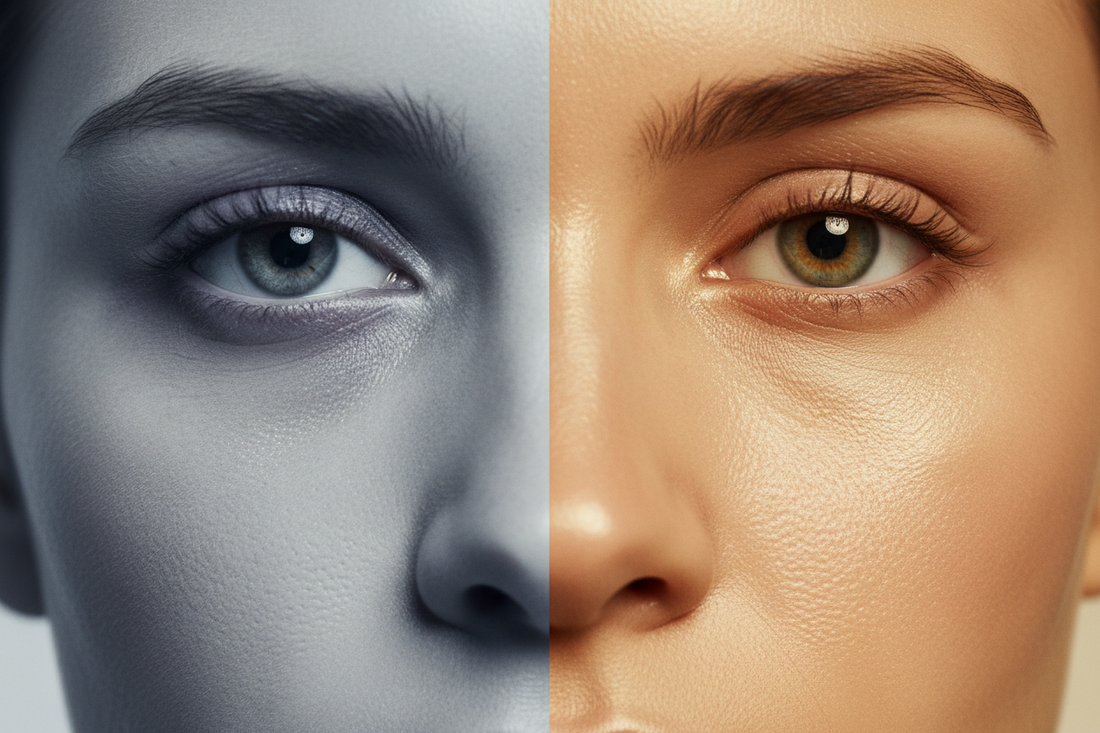
One of the most visible signs of low glutathione is a complexion that looks dull, tired, or uneven despite a consistent skincare routine. Glutathione regulates melanin production by inhibiting tyrosinase, the enzyme that triggers pigmentation. When levels drop, melanin production becomes less regulated, leading to dark spots, uneven tone, and reduced radiance.
If your skin looks flat regardless of how much you moisturise or how many brightening serums you use, low glutathione may be a factor worth addressing from within.
Dark Circles That Don't Respond to Topical Treatment
Dark circles have multiple causes, but oxidative stress and poor cellular repair are among the most common. The skin under the eyes is thin and highly vascular, making it particularly sensitive to free radical damage. Glutathione supports cellular repair and reduces oxidative stress, which is why low levels often show up first in this area.
If you're sleeping adequately but still waking up with persistent dark circles, it may be worth looking beyond topical eye creams.
Slow Recovery From Sun Exposure
After a day in the sun, healthy skin recovers relatively quickly. Redness fades, inflammation settles, and the skin returns to its normal tone within a day or two. When glutathione levels are low, this recovery process slows. UV-induced free radicals linger longer, causing more sustained inflammation and a higher likelihood of post-inflammatory hyperpigmentation.
If sun exposure leaves lasting marks or your skin takes longer than expected to recover, low antioxidant capacity may be a contributing factor.
Frequent Fatigue and Low Energy
Glutathione plays a central role in mitochondrial function, the process by which cells produce energy. Low levels impair mitochondrial efficiency, which can manifest as persistent fatigue, brain fog, or low energy that doesn't improve with adequate sleep.
For working professionals who rely on sustained mental and physical energy throughout the day, this is often one of the earlier signs that cellular antioxidant reserves are running low.
Increased Sensitivity to Pollution and Environmental Stress
People with adequate glutathione levels tend to be more resilient to environmental stressors. Their skin recovers faster, their immune response is more efficient, and they experience less oxidative damage from daily pollution exposure. When glutathione is depleted, this resilience decreases.
If your skin reacts more than it used to, breaks out after pollution exposure, or feels generally more sensitive, declining antioxidant levels may be a contributing factor.
Compromised Immunity and Frequent Illness
Glutathione is essential for immune cell function. It supports the activity of T-cells and natural killer cells, both of which are critical for fighting infections. Low levels are associated with reduced immune efficiency, which can show up as more frequent colds, slower recovery from illness, or a general sense of being run down.
This is particularly relevant for professionals in high-pollution cities, where the immune system faces constant low-grade stress from environmental toxins.
What Depletes Glutathione
The main contributors to glutathione depletion are chronic pollution exposure, UV radiation, psychological stress, poor sleep, alcohol consumption, processed and nutrient-poor diets, and ageing. By age 35-40, most people have lost a significant portion of their peak glutathione levels even without these additional stressors.
What to Do About It
Diet
Certain foods support glutathione production. Sulphur-rich foods like garlic, onions, and cruciferous vegetables (broccoli, cauliflower, cabbage) provide the building blocks for glutathione synthesis. Foods rich in vitamin C, such as citrus fruits, amla, and bell peppers, help regenerate oxidised glutathione back into its active form.
Reduce Depletion
Minimising the factors that deplete glutathione helps preserve existing levels. Consistent sun protection, adequate sleep, stress management, and reducing alcohol intake all contribute to maintaining healthier glutathione levels over time.
Supplement Strategically
For people living in high-pollution environments or dealing with visible signs of low glutathione, dietary changes alone may not be sufficient to restore optimal levels. Supplementation with bioavailable glutathione alongside vitamin C and zinc provides a more direct way to replenish what daily life depletes.
Lukewarm Glutathione 1K with Vitamin C and Zinc is formulated in an effervescent format for faster absorption, combining glutathione with the two nutrients that support its effectiveness and synthesis. Taken consistently, it helps rebuild the internal antioxidant reserve that pollution, stress, and ageing deplete over time.
How Long Before You Notice a Difference
Most people notice improvements in energy levels and skin texture within 2-4 weeks of consistent supplementation. More visible changes in skin tone, dark spots, and radiance typically appear between weeks 6-12, depending on starting glutathione levels, ongoing environmental exposure, and lifestyle factors. Glutathione depletion happens daily, so replenishment works best when it's daily too.